The Complete Guide to Body Contouring in Michigan
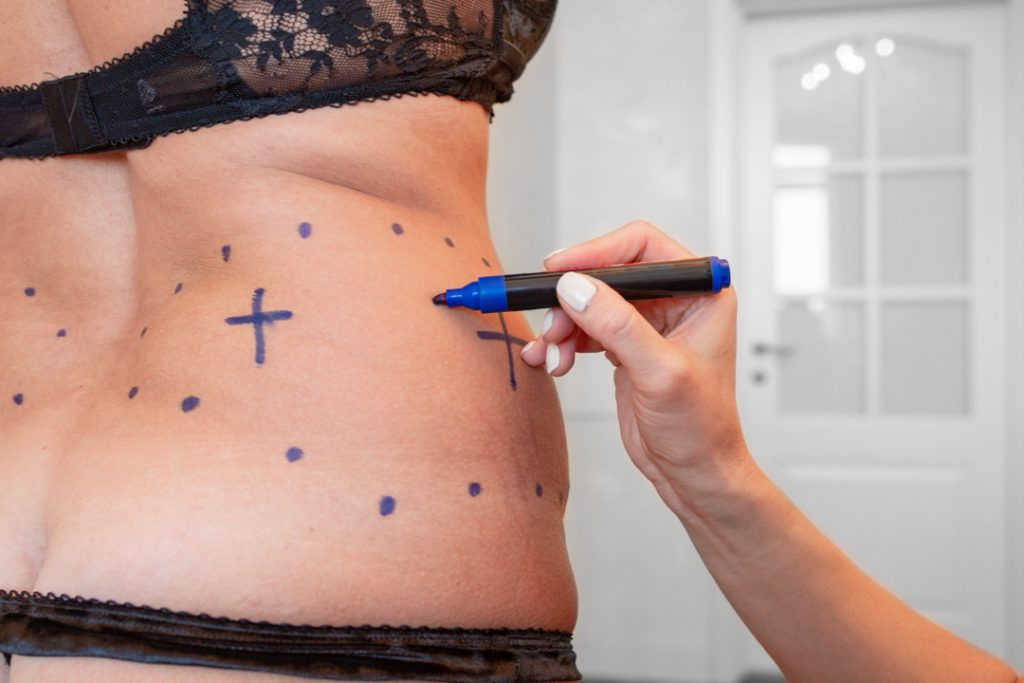
Body contouring sits at the intersection of cosmetic surgery, weight loss medicine, skin quality, and realistic expectation-setting. That mix is exactly why so many people feel overwhelmed when they start researching it. One practice talks about liposuction, another focuses on tummy tucks, another advertises non-surgical fat reduction, and someone you know swears the best answer was simply strength training and patience. All of those can be true, depending on the person standing in front of the mirror.
When people search for Body Contouring in Michigan, they are usually tummy tuck and body contouring Michigan not looking for abstract definitions. They want to know what actually works, what recovery feels like, what a surgeon or provider means by “candidate,” and whether the result will look natural on their body. They also want to know how Michigan’s seasons, lifestyle patterns, and provider landscape affect the experience. Those are practical questions, and they deserve practical answers.
Body contouring is not one treatment. It is a category that includes procedures and technologies designed to reshape the body by removing fat, tightening skin, improving contour transitions, or addressing loose tissue after pregnancy or weight loss. In real life, the treatment plan often involves more than one tool. A patient might need liposuction for fullness in the flanks, a tummy tuck for stretched abdominal skin and muscle separation, or a non-surgical option for a smaller area that does not justify surgery. The right plan depends less on trends and more on anatomy.
What body contouring actually means
The phrase “body contouring” gets used broadly, sometimes too broadly. At its core, it refers to methods used to refine body shape rather than dramatically reduce body weight. That distinction matters. If someone is hoping to lose 40 or 50 pounds, body contouring is not the starting point. If someone has already lost weight, is near a stable goal, and wants to address stubborn fat or excess skin, then the conversation becomes far more productive.
Surgical body contouring usually includes liposuction, abdominoplasty, arm lifts, thigh lifts, lower body lifts, and breast-related procedures that restore balance after major physical changes. Non-surgical body contouring may include fat freezing, radiofrequency-based skin tightening, ultrasound, injectable fat reduction in specific areas, or muscle stimulation devices. Some treatments reduce a modest amount of fat. Some mainly improve skin tone. Some help with cellulite. Very few do all three well.
One of the most common misunderstandings is assuming every unwanted bulge is “fat.” In clinic, that is rarely the whole story. A lower abdomen may reflect skin laxity, separated abdominal muscles, old scar tissue from prior surgery, internal fat, external fat, or a combination. Arms that bother a patient may have very little excess fat but significant loose skin. Love handles may respond beautifully to liposuction, while the front of the abdomen may look worse if liposuction is done without addressing skin redundancy. Experienced providers spend a great deal of time sorting out these distinctions, because treatment selection is where good outcomes begin.
Why Michigan patients often ask different questions
Michigan is not unique in needing body contouring, but patients here often bring a few practical concerns that shape timing and recovery. Weather is one of them. Compression garments, limited mobility, and post-procedure swelling feel very different in July than they do in January. A winter recovery has advantages, especially if someone prefers to heal privately under looser clothing, but snow, ice, and driving restrictions can make follow-up visits less convenient. Summer procedures can be easier logistically for some families, particularly around school schedules, though heat can make compression and swelling more uncomfortable.
Lifestyle matters, too. In many parts of Michigan, people spend a lot of time in cars, commuting or traveling between suburbs and metro areas. That becomes relevant after surgery. Early walking is important, but sitting bent at the waist for long drives after abdominal surgery can be unpleasant. A person planning a tummy tuck or circumferential body contouring procedure should think through transportation, home setup, and nearby help before choosing a date.
There is also a noticeable mix of goals among Michigan patients. Some are mothers seeking abdominal repair after pregnancy. Some are men and women who have lost a significant amount of weight and now find loose skin interferes with exercise, clothing fit, or hygiene. Others are at a healthy weight and simply want a more defined waistline or smoother contour in an area that has not changed despite training and nutrition. These are not interchangeable cases, and the best treatment for one can be the wrong treatment for another.
The main categories of body contouring
Surgical and non-surgical body contouring are often presented as competing paths, but they are better understood as separate tools for separate problems. Surgery remains the most effective option when there is moderate to severe excess skin, a larger amount of removable subcutaneous fat, or weakened support structures such as abdominal muscles. Non-surgical treatment can make sense for smaller pockets of fat, mild laxity, or people who are unwilling to accept surgical scars and downtime.
Liposuction is the procedure most people think of first. It is excellent for selectively reducing subcutaneous fat and improving proportions. It is not, however, a skin tightening procedure in any dramatic sense. Skin may retract somewhat, especially in younger patients with good elasticity, but liposuction cannot reliably fix loose, hanging skin. That is one reason some patients who insist on liposuction alone end up disappointed. They got what they asked for, but not Body Contouring in Michigan what they actually needed.
A tummy tuck addresses a different problem set. It removes excess lower abdominal skin, often tightens the abdominal wall if muscles have separated, and reshapes the waist in a more comprehensive way. The trade-off is a longer scar and a more involved recovery. In my experience, patients who truly need a tummy tuck and try to avoid it by choosing a lesser procedure often spend more money and more time circling back to the original answer.
Body lifts, arm lifts, and thigh lifts enter the conversation more often after major weight loss. These procedures can be transformative, not because they chase perfection, but because they remove tissue that causes daily friction, rashes, clothing problems, and self-consciousness. They also come with substantial scars, and that trade-off should be discussed plainly. Many post-weight-loss patients are completely comfortable with that exchange because the functional relief is significant.
Non-surgical options have a place, but that place is narrower than advertising suggests. They can be worthwhile for a patient with a relatively small area of fat or mild skin looseness who values low downtime more than dramatic change. The best non-surgical body contouring patients are usually already in decent shape, already close to goal weight, and looking for refinement, not rescue.
Who tends to be a good candidate
A strong candidate for Body Contouring in Michigan is usually near a stable weight, in generally good health, and clear about what bothers them. Stability matters. Weight gain after contouring can blur the result, and continued rapid weight loss after surgery can create new laxity. For patients on GLP-1 medications or after bariatric surgery, this part of the conversation has become even more important. Providers increasingly ask not just “How much have you lost?” but “Do you think your weight has settled?”
Skin quality is one of the biggest predictors of outcome. Age plays a role, but it is not the only factor. Pregnancy, sun exposure, genetics, smoking history, and large weight fluctuations all influence elasticity. Two patients of the same age and weight can require very different plans because their skin behaves differently.
Goals also need to be specific. “I want to look better” is understandable but not enough to build a plan. A more useful description sounds like this: my lower abdomen hangs over jeans, my waist has no definition from the back, or the skin on my upper arms moves when I wave. Those details guide treatment. They also help reveal whether the issue is contour, laxity, asymmetry, muscle separation, or unrealistic expectation.
A few factors tend to raise caution:
- Unstable weight, especially after recent major loss or gain.
- Smoking or nicotine use, which increases healing risk and compromises skin circulation.
- Medical conditions that impair wound healing or raise anesthesia risk.
- An expectation of “scarless surgery” or a belief that one procedure can fix every body concern.
- Inadequate support at home during the first days of recovery.
None of these automatically rules someone out, but each deserves careful handling. The most experienced surgeons I know are often the ones most willing to slow a patient down when timing is wrong.
The areas people most often want treated
The abdomen remains the most requested area, and for good reason. It changes with weight gain, pregnancy, surgery, and age. Even fit patients often carry frustration here because abdominal contour is influenced by more than discipline. A patient can have strong habits and still have lax skin, C-section changes, or rectus muscle separation that no workout fixes.
The flanks, sometimes called love handles, are another common target. They often respond well to liposuction because the fat here can be localized and resistant to overall weight loss. Back contouring is frequently paired with flank work because the transition matters. Removing fat from one area while ignoring the adjacent roll or fullness can produce an incomplete look.
Arms become a priority for many patients after weight loss or with age-related skin thinning. Liposuction alone may help if the issue is primarily fullness. If the problem is loose skin, an arm lift may be the more honest recommendation. The same pattern shows up in thighs. Inner thigh liposuction can work nicely in the right candidate, but once skin excess becomes more pronounced, liposuction by itself may create a deflated appearance rather than a smoother contour.
The neck and jawline are technically part of body contouring in some practices, though many classify them separately as facial procedures. They deserve mention because patients often believe neck fullness is the same as abdominal or flank fat. It is not. Skin quality, muscle banding, and genetics matter enormously there.
Surgical body contouring in practice
A good surgical plan starts with restraint. That may sound counterintuitive, but over-treatment is a real problem. Aggressive liposuction in the wrong area can create grooves, irregularity, adhesions, or a worked-on look that clothing does not hide. Sophisticated contouring relies on preserving smooth transitions and understanding how the body moves, not just how it looks standing still in the exam room.
Anesthesia, operating setting, and post-op care are part of the safety equation. Patients sometimes focus almost entirely on before-and-after photos and forget to ask where the procedure is performed, who administers anesthesia, and what happens if there is a problem after hours. Those details matter as much as aesthetic style. A beautiful gallery is not a substitute for sound medical judgment.
Recovery depends on the procedure, but swelling lasts longer than many people expect. Bruising fades faster than swelling. Compression helps, but it is not magic. Early on, patients are often more swollen at night than in the morning. Numbness can persist for weeks or months. Tightness after abdominal procedures is common. Small asymmetries may appear more noticeable during healing, then settle. That long arc is normal, and patients who do best are usually the ones prepared for a gradual reveal rather than an overnight transformation.
Non-surgical body contouring, with realistic expectations
Non-surgical Body Contouring appeals to people who want less downtime, fewer risks, and no surgical scar. Those are legitimate reasons to consider it. The challenge is that marketing can oversell subtle treatments. If a provider tells you a non-surgical device will rival a tummy tuck, skepticism is appropriate.
The best way to think about these treatments is incremental improvement. Some reduce a measurable amount of fat in a localized area over several weeks or months. Some stimulate collagen and produce modest skin tightening. Some temporarily improve the look of tone or firmness. A patient with mild lower abdominal fullness and excellent skin may be pleased. A patient with loose skin after losing 80 pounds usually will not be.
There is also variation in discomfort and downtime. “Non-invasive” does not always mean pleasant. Some treatments cause soreness, swelling, numbness, or a few days of tenderness. Most are manageable, but they are not nothing. In office consultations, one of the most useful conversations is not whether a treatment is non-surgical, but whether the expected result justifies the cost, time, and repeat sessions.
The consultation, where most good decisions are made
The consultation should feel educational, not sales-driven. A strong provider will examine you standing, often from multiple angles, and explain what is creating the contour concern. They should tell you what a procedure can improve, what it cannot improve, and what trade-offs come with it. If every answer sounds easy, perfect, and universally flattering, that is not reassuring.
Photos are essential, but they need context. Ask whether you are seeing patients with similar body type, age range, skin quality, and goals. A very lean patient’s liposuction result is not a useful comparison for someone with prior pregnancies and moderate skin laxity. Likewise, a staged post-weight-loss transformation may not be relevant to a patient seeking a small contour refinement.
You should also expect a discussion of scars. In body contouring, scars are often the price of shape change. Good surgical technique can place and manage scars thoughtfully, but it cannot erase them. Patients tolerate this information better when it is addressed directly from the start.
Cost, value, and why the cheapest option can be expensive
Pricing for body contouring varies widely because procedures vary widely. Liposuction of one small area is not in the same category as an abdominoplasty with muscle repair, and a body lift after massive weight loss is in a different category again. Costs reflect operating time, anesthesia, facility fees, garments, follow-up care, and the complexity of aftercare.
The useful question is not “What is the cheapest price?” but “What am I paying for?” A bargain procedure can become costly if revisions, complications, time off work, or disappointing results enter the picture. On the other hand, the most expensive option is not automatically the best. Value comes from fit: the right procedure, the right provider, the right setting, and a recovery plan that matches your life.
For patients in Michigan, there is also the practical matter of travel. Some people consider going out of state for a lower advertised fee or a social media-famous surgeon. That can work, but it complicates follow-up, especially if drains, wound care, or unexpected swelling require in-person assessment. Local care has advantages that are easy to underestimate until you need them.
Recovery in Michigan, season by season
Timing body contouring around the calendar is more strategic than many people realize. Fall and winter are popular for surgical procedures because compression garments hide easily under clothing, social schedules may be quieter, and many patients like the idea of recovering before spring and summer. The downside is weather. Ice, snow, and cold air can make getting to appointments harder, and abdominal surgery patients are not eager to navigate slippery driveways.
Spring can be a sweet spot. Patients often feel motivated by the coming warmer months, yet temperatures are usually comfortable enough for garments and walking. Summer offers schedule flexibility for some families, but heat can intensify swelling and make compression more uncomfortable. If you are planning surgery in Michigan during the summer, air conditioning at home and realistic expectations about activity restrictions matter more than people think.
No season is universally best. The right timing is the one that allows proper rest, reliable transportation, and support at home.
Questions worth asking before you commit
A short list of smart questions can save a great deal of frustration later:
- What exactly is causing the contour issue, fat, skin, muscle separation, or a combination?
- If I choose the less invasive option, what result am I giving up?
- Where will my scars sit in regular clothing and swimwear?
- What kind of help will I need at home in the first week?
- If I have a concern after hours or over the weekend, how is that handled?
These questions do more than gather facts. They reveal how a provider thinks. The quality of the explanation often tells you as much as the answer itself.
When body contouring is worth it, and when it is better to wait
Body contouring is worth serious consideration when a specific issue continues to bother you despite stable habits, when the anatomy is treatable, and when you are ready for the trade-offs. It can be especially meaningful after major life transitions such as pregnancy or significant weight loss, when the body no longer reflects the effort already invested in health.
It is better to wait when weight is still changing, when you are hoping surgery will fix a broader dissatisfaction with your life, or when the recovery period simply does not fit your current responsibilities. Waiting is not failure. It is often evidence of good judgment. I have seen patients get better outcomes because they delayed six months, finished losing weight, arranged childcare, or stopped nicotine completely. Those are the quiet decisions that rarely show up in advertisements, but they shape results every day.
For anyone considering Body Contouring in Michigan, the best path is usually the least glamorous one: get examined carefully, ask plain questions, compare recommendations thoughtfully, and choose the treatment that matches your anatomy rather than your wish list. When that happens, body contouring stops feeling like a confusing category and starts becoming what it should be, a well-chosen tool for a clearly defined problem.
Aesthetic Plastic Surgery & Laser Center, Michelle Hardaway M.D.
Address: 27920 Orchard Lake Rd, Farmington Hills, MI 48334
Phone number: +12482211957
FAQ About Body Contouring in Michigan
What does body contouring actually do?
Body contouring (or body sculpting) eliminates stubborn localized fat, tightens loose, sagging skin, and reshapes your silhouette. It is not a weight-loss tool, but rather a cosmetic procedure used to refine and tone specific trouble spots after major weight loss, pregnancy, or aging.
How much does body contouring usually cost?
The total cost of body contouring usually ranges from $2,000 to $25,000+ depending entirely on whether you choose non-surgical sessions or major surgical procedures.
Because "body contouring" covers everything from simple fat-freezing to comprehensive post-weight-loss surgeries, pricing is heavily categorized by the method used.
What is the best type of body contouring?
Liposuction is a huge topic and worth discussing in more detail, but in terms of body contouring and sculpting, nothing does the job better than liposuction, particularly VASER liposuction.