How to Maintain Your New Look After Liposuction Michigan
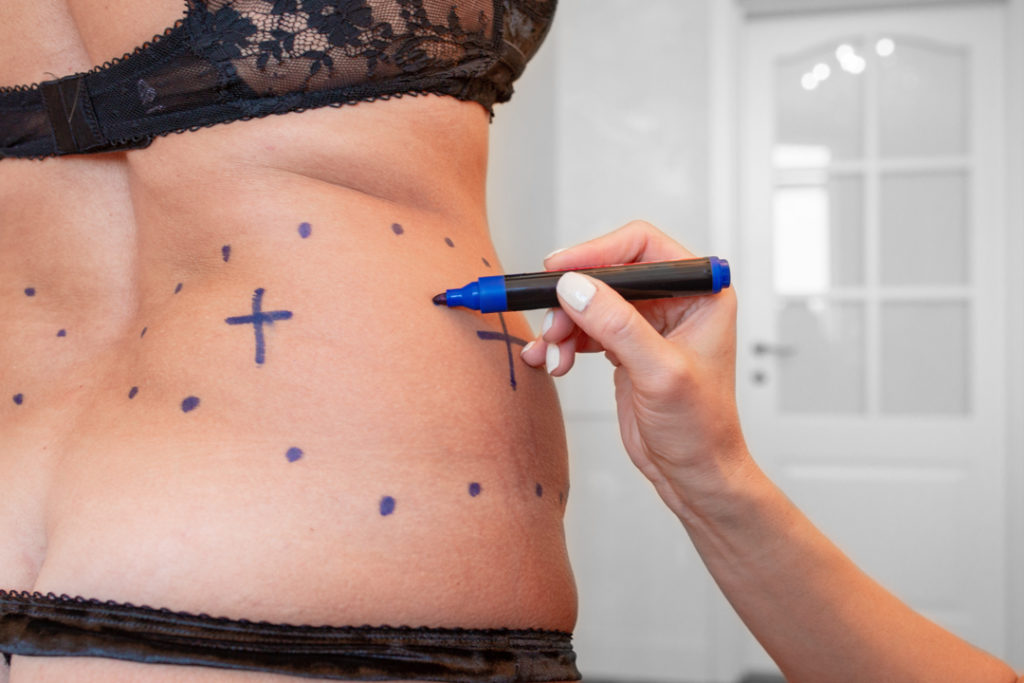
Liposuction can change your shape in a meaningful way, but it does not place your body on autopilot. The procedure removes fat cells from targeted areas, often creating cleaner lines through the waist, abdomen, flanks, thighs, arms, or under the chin. What happens next matters just as much as the surgery itself. The patients who hold onto their result most successfully tend to understand one basic truth early: liposuction is a reset, not a free pass.
That point is especially important for anyone researching or recovering from Liposuction Michigan procedures, where the seasons themselves can influence routines. Winter can reduce daily movement and encourage comfort eating. Summer brings social events, travel, and schedule drift. Both can nudge the scale in the wrong direction if you are not paying attention. Good maintenance is rarely dramatic. It comes from ordinary habits repeated long enough to become automatic.
First, understand what liposuction did, and what it did not do
Liposuction removes fat deposits from specific areas that were resistant to diet and exercise. It does not treat the biological tendencies that led those areas to become frustrating in the first place. If your body has always stored weight in your lower abdomen or outer thighs, liposuction can improve proportion. But if you gain a meaningful amount of weight after surgery, the remaining fat cells in your body can still enlarge. The result may not look exactly like your preoperative shape, yet the polished contour you paid for can soften.
Patients are sometimes surprised by this because they hear "fat cells are removed" and assume the area is immune to future changes. It is not. A modest fluctuation of a few pounds usually does not erase a good result. A larger gain over time can blur it. In practice, the goal is not perfection. The goal is stability.
One of the best ways to protect your result is to define success correctly. Success is not fitting into the smallest size you have worn since college. Success is maintaining a steady, realistic weight range, feeling comfortable in your clothes, and keeping the treated areas from slowly reaccumulating fullness while the rest of your body changes.
The recovery period sets the tone
Many long-term outcomes are shaped in the first six to twelve weeks. During that window, swelling can rise and fall, bruising resolves, tissues begin to settle, and your habits either tighten up or drift. A patient may feel so excited by the early change that she returns to normal too quickly. Another may become discouraged by swelling and stop following postoperative instructions. Both reactions are common, and both can complicate recovery.
Compression garments matter more than many people expect. They do not magically sculpt the body, but they do help support tissues, manage swelling, and encourage smoother contour development while healing is underway. The exact timeline varies by surgeon and treatment area, so the best rule is simple: follow the instructions you were given, even when you are tired of the garment.
Walking also matters early. Short, consistent movement improves circulation and helps you regain momentum without placing stress on healing tissues. The mistake I see most often is an all-or-nothing mindset. People either do nothing for too long or try to jump back into intense workouts before the body is ready. Neither approach works well. A gradual return almost always produces a better experience.
If there is one principle worth remembering during early healing, it is this: swelling can disguise progress. A patient may look fantastic at two weeks, puffier at three, and much better again at eight. That does not mean something has gone wrong. It means healing is uneven and normal.
Weight maintenance is the real long game
Most patients do not need a complicated strategy. They need a system that helps them avoid gradual regain. That often starts with setting a personal weight range instead of chasing a single number. For example, if you feel healthy and look stable between 145 and 150 pounds, that range gives you a practical reference point. If you move outside it for more than a week or two, you know it is time to tighten your routine before five pounds becomes fifteen.
Daily weigh-ins help some people and make others obsessive. Weekly check-ins tend to be a reasonable middle ground. The number itself matters less than the trend. If your clothes fit differently, your energy drops, or your eating becomes less structured, the scale usually confirms what your body has already been telling you.
It also helps to be realistic about timing. The body often settles over several months after liposuction. This is not the ideal season for crash dieting. Healing tissues need hydration, protein, and stable energy. Severe restriction can leave you weak, irritable, and more likely to rebound later.
Food habits that actually preserve a contour
Patients often ask for a "post-lipo diet," as though there were a special menu for maintaining surgical results. There is not. There are, however, eating patterns that consistently support weight stability and reduce bloating, which can affect how your shape looks day to day.
Protein is usually the anchor. It helps with healing early on and with appetite control long after recovery. Meals built around protein, fiber, and minimally processed carbohydrates are easier to sustain than plans based on willpower alone. Think eggs and fruit in the morning, grilled chicken with rice and vegetables at lunch, salmon or lean beef with potatoes and salad at dinner. That kind of structure is not glamorous, but it works.
Salt and alcohol deserve a mention because they can distort your perception of your result. A high-sodium weekend, especially if it includes restaurant meals and drinks, can leave you swollen and discouraged by Monday. That does not mean you gained five pounds of fat. It means your body is holding fluid. Understanding the difference prevents panic and overcorrection.
One useful rule is to make indulgence specific rather than constant. Enjoy the dinner out. Enjoy the birthday cake. But return to ordinary eating at the next meal, not next Monday.
A simple way to plate most meals
- Start with a solid protein source, roughly the size of your palm or a bit more.
- Add vegetables or fruit that give volume and fiber without excessive calories.
- Include a carbohydrate portion that matches your activity level, more on workout days, less on sedentary days.
- Use fats intentionally, such as olive oil, avocado, nuts, or cheese, rather than letting them pile up unnoticed.
- Eat slowly enough to register fullness before you reach the point of discomfort.
That approach sounds plain because it is plain. Surgical contouring does not usually require fancy nutrition. It rewards consistency.
Exercise should support your shape, not punish your body
Patients sometimes believe they need to "earn" their procedure by throwing themselves into an extreme training plan. That tends to backfire. A maintenance routine works best when it is realistic enough to survive busy workweeks, family obligations, travel, and Michigan winters.
Walking remains one of the most underrated tools for maintaining a liposuction result. It supports calorie balance, reduces stiffness, improves mood, and is easy to restart if life has knocked you off course. Strength training is the next major piece. Muscle gives shape to areas around the contour changes created by surgery. A flatter waist looks even better when posture improves and the glutes, back, and shoulders are strong. The number on the scale Liposuction Michigan may not change much, but the body often looks tighter and more athletic.
Cardio has value, but it does not have to be punishing. Two or three moderate sessions a week, plus regular walking, can be enough for many adults. The ideal program is the one you can repeat for years.
In Michigan, seasonality matters. When the weather turns cold, even active people often lose thousands of casual daily steps. If you usually walk outside after dinner in May but stop completely in January, your energy expenditure drops whether you notice it or not. Patients who do well through winter often create a replacement ritual before the snow arrives. That might be treadmill walking while listening to a podcast, a standing lunch break at work, or a Saturday morning fitness class that gets booked on the calendar like an appointment.
Your clothes can tell the truth faster than the mirror
Mirrors are useful, but they are not always objective. Lighting changes. Angles change. Mood changes. A pair of fitted jeans or tailored trousers often gives better feedback. If the waistband becomes consistently snug, your body composition may be drifting even before the scale shows a large change.
This is not a call to become obsessive about appearance. It is a practical strategy. The earlier you notice subtle gain, the easier it is to correct. Three pounds often responds to a few tighter weeks of eating and movement. Fifteen pounds usually reflects a longer slide in habits and takes more effort to reverse.
Some patients keep one "truth outfit" in the closet, not as a punishment, but as a neutral measuring stick. If it fits the same way most months, you are likely maintaining your result well.
Skin quality affects how your result ages
Liposuction changes the volume beneath the skin. How that skin behaves over time still depends on age, genetics, sun exposure, weight fluctuation, and nicotine use. Patients who gain and lose the same ten pounds repeatedly often notice that the skin does not snap back the way it once did. That is not unique to liposuction, but it can affect how crisp the contour remains.
Hydration, stable weight, and avoidance of smoking or vaping all help. Strength training can also improve the look of an area by adding support under the skin. No cream will replace those fundamentals. If you are considering additional non-surgical treatments later, they should be viewed as refinements, not substitutes for weight control.
The emotional side is real, and often underestimated
Body contouring can bring relief, excitement, and confidence. It can also create a surprising amount of pressure. Some patients feel they should look perfect after surgery. Others become more critical because now they notice every small asymmetry. A procedure that solved one frustration may reveal another.
That response is more common than people admit. The healthiest approach is to remember why you chose surgery in the first place. Most people did not seek liposuction because they expected a digitally flawless body. They wanted better proportion, smoother clothing fit, or relief from a stubborn area that had not responded to their efforts. Keeping that perspective helps protect satisfaction.
I have seen patients do very well by focusing on functionality as much as aesthetics. They buy clothes that fit the body they have now. They return to exercise because it feels good, not because they are trying to erase every meal out. They allow the result to become part of their life rather than the center of it.
Travel, holidays, and social eating require strategy
The people who maintain their results best are not those who avoid every vacation dinner or family celebration. They are the ones who recover quickly from them. A long weekend does not ruin a surgical result. A long weekend followed by three weeks of sloppy eating can.
This is where planning matters. If you know December is packed with parties and rich food, tighten breakfast and lunch instead of surrendering the whole month. If you travel for work, identify a few hotel or restaurant defaults you can live with. Yogurt and fruit in the morning. A protein-heavy lunch. Water between drinks at dinner. These choices are not flashy, but they keep small indulgences from becoming full-scale regression.
For patients in the Midwest, holiday season can be particularly tricky because social events cluster during a time of year when outdoor movement naturally drops. That combination catches people off guard. The answer is not guilt. It is structure.
Pregnancy, hormonal shifts, and life changes can alter the picture
Not every change after liposuction comes from poor habits. Pregnancy, perimenopause, menopause, certain medications, injury, and chronic stress can all influence weight and fat distribution. This is where self-judgment becomes unhelpful. A body at 28 may not behave the same way at 42, even with similar effort.
The useful response is to adapt early. If hormonal shifts are making weight control harder, a stricter meal rhythm and a strength-focused exercise plan may work better than relying on intuition. If you were sedentary during recovery from an injury, start by rebuilding daily movement before expecting your old shape to snap back.
Patients sometimes ask whether fat will return to the same treated areas after major life changes. The answer is that body changes can occur broadly, and patterns vary. What matters most is addressing the change when it is still manageable.
Follow-up appointments are not a formality
Postoperative visits often taper off once the early healing phase is complete, but they still matter. Your surgeon can tell the difference between normal swelling, scar tissue firmness, delayed settling, and changes related to weight gain. Patients sometimes assume they should wait until everything looks "final" before checking in, but that can delay simple solutions.
If an area feels unusually firm, if one side seems to be healing differently, or if you are unsure whether what you see is swelling or true fullness, Liposuction Michigan ask. Good follow-up care is part of the procedure, not an optional extra. It also gives you a chance to discuss maintenance honestly. Many surgeons can spot common pitfalls quickly because they have watched the same patterns play out across years of patients.
When small course corrections are enough, and when they are not
There is a difference between temporary drift and a larger reversal. If you are up four pounds after a busy month and your exercise has been inconsistent, the answer is usually straightforward. Resume your routine, reduce restaurant meals, prioritize sleep, and give it two to four weeks. Most people can regain control at that stage without much drama.
If you have gained twenty pounds over a year, feel chronically fatigued, and have abandoned the habits that helped you before surgery, the fix is less about "detoxing" and more about rebuilding a life structure. That may mean help from a dietitian, a trainer, a primary care doctor, or even a therapist if emotional eating has taken over. Maintenance is not always about discipline. Sometimes it is about support.
Signs it is time to tighten your routine
- Your weight has crept above your usual range for more than two weeks.
- Clothes fit differently across several areas, not just after one salty meal.
- Workouts have become sporadic or nonexistent for a month or more.
- Dining out, snacking, or alcohol intake has quietly become more frequent.
- You keep telling yourself you will restart "next week."
These are not signs of failure. They are early warning lights. The sooner you respond, the easier maintenance becomes.
Why patience still matters months later
Even after the initial recovery, the body continues to settle. Some areas reveal their final contour faster than others. The lower abdomen, flanks, and inner thighs can take their time. Patients who maintain stable habits during this period often end up happier because they allow the tissues to soften and the result to mature without the confusion of major weight swings.
This is another reason extreme diets are so unhelpful after liposuction. If you spend three months bouncing between overeating and aggressive restriction, you make it harder to judge your true result. Stability gives clarity.
A Michigan-specific note on lifestyle maintenance
When people search for Liposuction Michigan, they are usually thinking about finding the right surgeon, the right setting, and the right procedure plan. That is important. But long-term success in Michigan also depends on navigating a climate that can change your routine more than you expect.
Cold weather can reduce spontaneous movement. Layered clothes can hide small gains until spring. Seasonal mood shifts can affect motivation. On the other hand, summer can bring lake weekends, barbecues, drinks, and erratic schedules. Neither season is the problem. The issue is whether you have a version of your routine that works in both.
A patient who walks three miles outdoors all summer needs a winter substitute before the first icy week arrives. Someone who tends to graze at holiday events may do better eating a high-protein meal beforehand rather than arriving hungry. These are practical adjustments, not signs that maintenance is hard. They are simply the kind of real-world planning that preserves a good result.
The best-maintained results usually come from ordinary discipline
There is rarely one dramatic secret behind a patient who still looks excellent years after liposuction. Usually, it is a collection of unremarkable choices made over and over. She noticed five pounds and addressed it early. He kept lifting weights twice a week even during busy seasons. They did not chase perfection, but they did stay engaged.
That is the real advantage of understanding maintenance. You stop viewing your result as fragile and start treating it as something you can protect with steady habits. Liposuction can refine your shape in a way diet and exercise alone sometimes cannot. Preserving that refinement comes down to the basics, stable weight, regular movement, decent sleep, sensible eating, and enough honesty to course-correct when life pulls you off track.
A good surgical result deserves that level of care. Not because the procedure was temporary, but because your body is always changing, and the best outcomes are supported, not assumed.
Aesthetic Plastic Surgery & Laser Center, Michelle Hardaway M.D.
27920 Orchard Lake Rd, Farmington Hills, MI 48334, United States
+1 248-221-1957
FAQ About Liposuction Michigan
Is 55 too old for liposuction?
Age 55 alone does not determine suitability. A surgeon evaluates overall health, skin quality, healing risks, and realistic goals. A personal consultation is needed to assess candidacy and discuss alternatives.
What happens 10 years after liposuction?
Contour improvements can last, especially with stable weight. Aging, pregnancy, and weight changes can alter the appearance over time. Results vary, and liposuction does not prevent future body changes.
Can lipo get rid of an apron belly?
Liposuction reduces localized fat but does not remove hanging excess skin. An apron belly may require assessment for a skin-removal procedure instead of, or alongside, fat removal. A qualified plastic surgeon can explain appropriate options and their risks.