How Body Contouring in Michigan Supports Your Aesthetic Goals

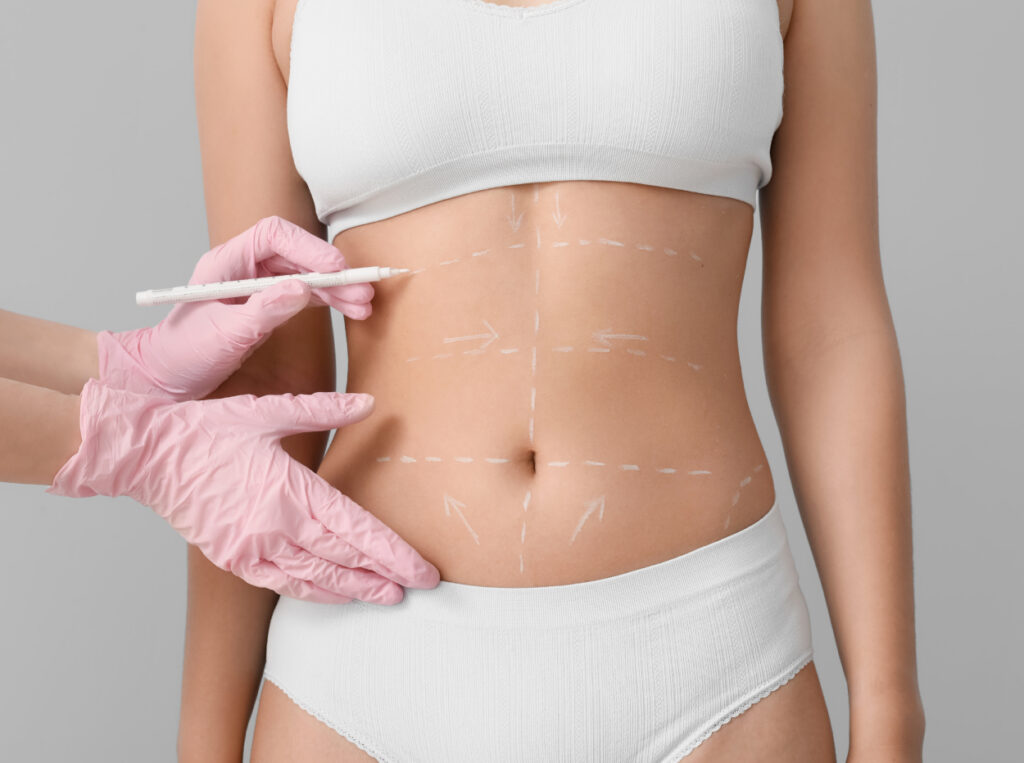
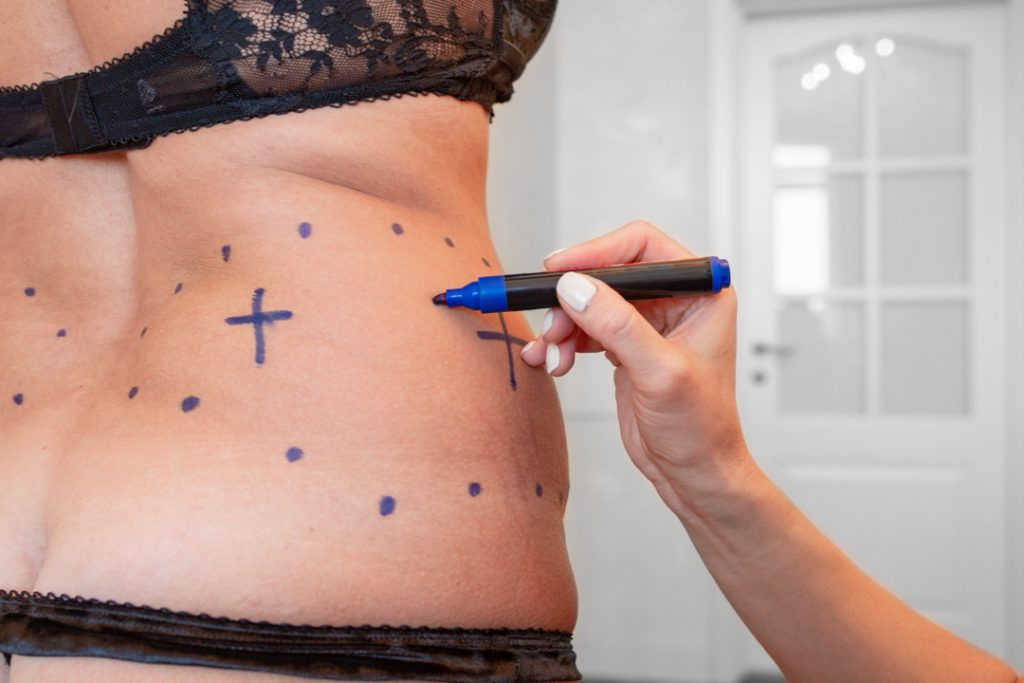
Aesthetic goals are rarely as simple as "lose weight" or "look better." Most people I meet who consider body contouring are trying to solve a more specific frustration. They may feel healthy, active, and close to their target weight, yet still struggle with fullness under the chin, persistent abdominal laxity after pregnancy, or pockets of fat that do not respond to disciplined diet and exercise. Others have achieved major weight loss and are now dealing with loose skin that hides the result of years of effort.
That is where body contouring becomes relevant. Not as a shortcut, and not as a replacement for overall health, but as a way to refine shape when the body does not respond evenly. For many patients, Body Contouring in Michigan fits into a broader plan that includes weight stability, strength training, skin care, and realistic expectations about how the body ages.
The most helpful conversations about Body Contouring begin with one question: what exactly are you trying to improve? When that answer is clear, the right treatment path becomes much easier to identify.
What body contouring actually means
Body Contouring is a broad term, and that can create confusion. Some people use it to mean any aesthetic treatment below the face. Others think only of liposuction. In practice, it covers both surgical and non-surgical methods used to improve body shape, proportion, and skin firmness.
The right category depends on the issue being treated. If the concern is isolated fat, a treatment that reduces fat cells may help. If the concern is loose skin, muscle separation, or tissue descent, tightening or surgical excision may be more appropriate. If the concern is a combination of all three, which is common after pregnancy or weight loss, a single treatment often falls short.
That distinction matters because one of the biggest sources of disappointment in aesthetics is using the wrong tool for the problem. A patient with moderate skin laxity in the lower abdomen may be unhappy with a non-surgical fat reduction treatment, not because the treatment failed, but because the visible issue was never primarily fat. Likewise, someone with good skin tone and a small, stubborn flank bulge may not need surgery at all.
In Michigan practices, experienced providers usually spend a good amount of time on that diagnostic step. They assess fat distribution, skin elasticity, body composition, scar tolerance, recovery preferences, and timeline. That evaluation is often more valuable than the treatment menu itself.
Why people in Michigan seek body contouring
The motivations are personal, but certain patterns are easy to recognize. Michigan has a broad patient base that includes young professionals, parents with limited downtime, fitness-focused adults, and patients who have gone through significant weight changes. Their concerns overlap, but their priorities often differ.
A busy professional in Ann Arbor or Detroit may want a subtle, office-friendly treatment with no visible downtime. A mother in Grand Rapids may be more focused on abdominal muscle separation and loose skin after multiple pregnancies. Someone in northern Michigan who enjoys an active outdoor lifestyle may care less about a dramatic cosmetic shift and more about feeling proportionate and comfortable in seasonal clothing.
Climate and lifestyle can influence timing, too. Many people schedule Body Contouring in Michigan during fall, winter, or early spring, when recovery garments are easier to hide under layers and summer events are not immediately approaching. That does not mean treatment cannot happen year-round, but planning ahead usually leads to better decisions. Swelling, bruising, compression garments, and exercise restrictions are easier to manage when the schedule is realistic.
Another factor is the region’s strong culture around practical decision-making. Patients often want clear value, straightforward expectations, and a treatment that fits their routine. They are not necessarily chasing trends. More often, they want a noticeable improvement that still looks like them.
The difference between weight loss and contouring
This is one of the most important points to understand before pursuing any treatment. Body contouring is not designed to produce major weight loss. It is meant to improve shape.
A person can lose twenty, fifty, or one hundred pounds and still dislike the way the abdomen, arms, thighs, or jawline look. That does not mean the weight loss was ineffective. It means fat loss does not happen evenly, skin does not always shrink back fully, and muscle support may change over time. Body contouring addresses those residual issues.
This is also why stable weight matters. If someone undergoes a contouring procedure and then gains or loses a significant amount of weight afterward, the result may shift. Fat cells in treated areas can be reduced, but the body is still dynamic. Skin continues to age. Hormones change. Pregnancy changes tissue. Menopause changes body composition. A good result is never frozen in time.
The most satisfied patients tend to view contouring as part of maintenance, not transformation by itself. They are close to their sustainable baseline, and they want better alignment between how they feel and how they look in clothing.
Non-surgical options and where they fit
Non-surgical body contouring has become much more popular because it appeals to people who want measurable improvement without anesthesia, operating-room costs, or a long recovery. These treatments can be useful, but they work best within a fairly narrow lane.
Most non-surgical methods focus on one of three goals: reducing localized fat, improving skin tone, or stimulating collagen remodeling. Technologies vary, and different practices in Michigan may offer cooling-based devices, radiofrequency treatments, ultrasound-based systems, or muscle stimulation platforms. The names differ, but the core question remains the same: what problem is the treatment actually solving?
If the patient has a small lower-abdominal fullness, decent skin elasticity, and patience for gradual results, a non-surgical treatment may be a strong match. If the patient has hanging skin after pregnancy or substantial weight loss, the same treatment may produce only a modest change. That does not make it bad medicine. It just means expectations must stay tied to anatomy.
Non-surgical treatments usually come with trade-offs. Recovery is easier, but the result is often subtler and slower. Several sessions may be needed. Improvement may show up over weeks or months rather than days. Costs can add up if multiple areas are treated. For the right patient, that balance is perfectly acceptable. For the wrong patient, it feels like paying for a half-solution.
One of the more honest consultations I have seen involved a patient seeking a non-surgical abdominal treatment after losing about seventy pounds. She was disciplined, looked good overall, and wanted to avoid surgery if possible. On exam, though, the real issue was lax skin pooling at the lower abdomen. A series of non-surgical treatments might have tightened things slightly, but not enough to justify the cost. She eventually chose surgery and was much happier with the outcome. The lesson was not that non-surgical options are inferior. It was that a conservative approach is only smart when it can realistically address the complaint.
When surgery makes more sense
Surgical Body Contouring tends to be the better option when the tissue changes are structural rather than superficial. This includes excess skin, separated abdominal muscles, pronounced tissue descent, or larger-volume fat removal when contour precision matters.
Common surgical procedures include liposuction, abdominoplasty, arm lift surgery, thigh lift surgery, and lower body lift procedures after significant weight loss. These operations are more invasive, and they require more planning, but they also allow for changes that non-surgical methods cannot reliably achieve.
Liposuction is often misunderstood. It is not a weight-loss operation, but it can make a meaningful difference in shape when fat deposits are localized. A well-performed liposuction result can sharpen the waist, improve hip-to-waist proportion, reduce fullness at the bra line, or define the submental area under the chin. The best results usually happen in patients with good skin tone. If the skin does not contract well, removal of fat alone can leave the area looking looser than expected.
Abdominoplasty, often called a tummy tuck, does more than flatten the abdomen. It can address skin redundancy and repair muscle separation, which matters for many postpartum patients. In practice, that means it may improve both contour and core support. It also means the recovery is more involved than many people expect. The scar, activity restrictions, and initial tightness need to be weighed against the potential benefit.
Patients in Michigan who choose surgical contouring often do so after years of trying to "fix" the problem through exercise alone. Strong core work can improve posture and tone, but it will not remove stretched lower-abdominal skin or close a significant diastasis every time. That gap between effort and outcome is exactly why surgery remains relevant.
The consultation is where good decisions are made
A strong consultation should feel less like a sales pitch and more like a problem-solving session. The provider should examine the areas that concern you, ask about weight history, pregnancies, prior surgeries, medications, and lifestyle, and discuss whether your expectations match what the procedure can deliver.
This is also the time to talk about scarring, recovery, compression garments, time away from work, and the possibility that more than one treatment may be needed for a balanced result. Patients sometimes arrive focused on one area, then realize the issue is really proportion. For example, reducing the lower abdomen without considering the flanks may leave the torso looking unfinished. Treating inner thighs without discussing skin laxity may create frustration later. Good contouring is not just reduction. It is visual harmony.
A consultation should also include a frank discussion of what body contouring cannot do. It cannot permanently stop aging. It cannot create a body type that is genetically unrealistic for you. It cannot replace healthy habits. It cannot guarantee that an untouched area will not bother you more once another area improves. That last point is more common than people think. Sometimes refining one zone increases awareness of a second issue that was always there.
A thoughtful provider will not rush past those realities.
Matching the treatment to your aesthetic goal
People often say they want to "tone" an area, but that word can mean several different things. One patient means smaller. Another means tighter. Another means smoother in clothing. Another means more athletic definition.
It helps to break the goal into a few practical categories:
- reduce a localized fat pocket
- tighten loose or crepey skin
- restore shape after pregnancy or weight loss
- improve symmetry or proportion
- make clothing fit more comfortably
Once the goal is specific, the treatment path becomes much more rational. A patient bothered by under-arm fullness in sleeveless tops may need an entirely different plan than a patient upset about abdominal overhang after a C-section. Both are seeking Body Contouring, but they are not solving the same problem.
This is also why before-and-after photos should be interpreted carefully. A result that looks excellent on someone with dense skin and mild fullness may not be reproducible on someone with thinner skin, prior scarring, or larger fluctuations in weight. Photos are useful, but anatomy is personal.
Recovery matters more than people expect
Recovery is not just about pain. It is about logistics, patience, and timing. Even non-surgical Body Contouring can involve temporary swelling, tenderness, numbness, or delayed visible improvement. Surgical procedures require even more planning. Child care, work demands, exercise restrictions, sleeping position, compression garments, drain care in some cases, and transportation after surgery all need to be considered in advance.
Many patients underestimate how much swelling affects early perception. The first few weeks after surgery are rarely the final story. Some areas settle quickly, while others take months to refine. The lower abdomen, flanks, and thighs can be especially slow. This is normal, but it can feel discouraging if the patient expects an immediate polished result.
Michigan patients who do well in recovery usually share one trait: they treat healing like part of the procedure, not an inconvenience after it. They follow garment instructions, limit activity when told, keep follow-up appointments, and avoid the temptation to judge the result too early. They also plan around the seasons and their own schedules. Recovering from an abdominal procedure right before a physically demanding summer trip, for example, is often a poor fit.
Cost, value, and the danger of bargain shopping
Aesthetic medicine is one of the few areas where people may compare a procedure almost like a consumer product. That approach can backfire. Price matters, but body contouring is not a commodity.
A lower quote may reflect fewer treatment areas, less experienced staff, limited follow-up, older technology, or a provider whose aesthetic approach does not match your needs. On the other hand, a high price does not automatically indicate better care. The key is understanding what is included, what result is realistic, and who is actually performing the treatment.
With Body Contouring in Michigan, where patients can choose among urban surgical centers, suburban med spas, and specialty practices, comparison shopping is common. That is reasonable. What matters is asking the right questions. Who evaluates candidacy? What happens if the result is incomplete? How many sessions are typical? What kind of downtime is expected? If surgery is involved, who manages complications and follow-up care?
The cheapest option can become the most expensive if it leads to a weak result, revision treatment, or avoidable disappointment.
Body contouring after pregnancy
Postpartum body changes deserve their own discussion because they are often emotionally layered. The issue is not vanity. Many women simply want their body to feel familiar again after pregnancy, breastfeeding, and the physical strain of childcare.
The abdomen is the most common concern, especially when loose skin and muscle separation combine to create a persistent lower-belly bulge. Breasts may change in volume or position, fat distribution may shift, and stretch marks can alter skin quality. Exercise helps with strength and function, but it does not always restore tissue structure.
This is where contouring can support a very specific aesthetic goal: reclaiming proportion without trying to look twenty years old again. Some postpartum patients choose non-surgical treatments because they want minimal downtime. Others decide that surgery is the only option likely to make a meaningful difference. Neither choice is universally better. The right answer depends on severity, timing, future pregnancy plans, and support at home during recovery.
One practical point that often gets overlooked is timing. It is wise to let weight stabilize and give tissues time to settle before making major decisions. The body continues to change for months after delivery, especially if breastfeeding is involved.
Body contouring after major weight loss
This group often has some of the clearest goals and the most complex needs. After major weight loss, the number on the scale may finally feel right, but the skin envelope does not always match the new body beneath it. Patients describe rashes, pulling, difficulty finding clothes that fit, and the feeling that their achievement is still hidden.
For these individuals, Body Contouring is not merely cosmetic. It can improve comfort, hygiene, mobility, and confidence. Still, it requires careful staging and realistic planning. Extensive skin laxity may involve the abdomen, flanks, thighs, arms, chest, and lower body. Treating everything at once is not always safe or practical. Procedures may need to be prioritized over time.
The emotional side matters here as well. Patients who have lost a significant amount of weight sometimes expect surgery to deliver the "final body" they imagined throughout their weight-loss journey. Surgery can do a great deal, but it cannot erase every reminder of the past. Skin quality, scar burden, and tissue behavior all influence the endpoint. The most rewarding outcomes usually come when the goal is improvement and freedom, not perfection.
What to look for in a Michigan provider
Choosing the right provider shapes the entire experience. Credentials matter, but so does judgment. You want someone who can explain why a treatment fits, not just offer it because it is available.
A strong provider will usually show several habits in consultation and follow-up:
- they assess skin, fat, and underlying structure rather than focusing on a single complaint in isolation
- they explain the likely degree of improvement, not just the best-case scenario
- they discuss recovery in concrete terms, including discomfort, swelling, compression, and time away from normal activity
- they are willing to say no when a treatment is unlikely to meet your goals
- they have a clear plan for follow-up care and complication management
That last point is particularly important in Michigan, https://felixhtdw896.wordcanopy.com/posts/body-contouring-in-michigan-a-modern-approach-to-body-sculpting where patients may travel from smaller towns into larger metro areas for treatment. Convenience matters, but access to follow-up matters more.
The emotional side of contouring
Body image conversations often get flattened into either confidence or insecurity, but real patient motivations are usually more nuanced. A person can be grateful for a healthy body and still want to improve a feature that bothers them daily. They can have realistic expectations and still care deeply about how they look in fitted clothes. They can be emotionally grounded and still want change.
When body contouring goes well, it often does something subtle but meaningful. It reduces friction. Getting dressed becomes easier. Summer clothes feel less strategic. Photos feel less tense. There is less energy spent adjusting, hiding, tugging, or mentally editing. That is a practical quality-of-life improvement, even when the outside observer sees only a modest physical change.
The healthiest approach is to pursue contouring from a place of clarity rather than urgency. If the goal is to support how you already care for yourself, the process tends to feel constructive. If the goal is to solve a deeper dissatisfaction that no procedure can touch, even a technically good result may feel hollow.
Where body contouring fits in a long-term aesthetic plan
The best results rarely come from seeing contouring as a one-time fix. Most patients benefit from thinking in phases. First comes weight stabilization and general health. Then treatment selection. Then recovery. After that, maintenance.
Maintenance does not have to be elaborate. It may simply mean stable nutrition, regular movement, attention to skin quality, and avoiding large weight swings. In some cases, it includes adjunctive care, such as skin tightening treatments, scar management, or future small refinements. Bodies change, and aesthetic planning works better when it respects that fact.
For many people, Body Contouring in Michigan is not about becoming unrecognizable. It is about closing the gap between effort and outcome. It helps when you have done the work, made the lifestyle changes, and still feel that certain areas do not reflect the body you have built. Used thoughtfully, it can sharpen proportion, restore confidence, and support the aesthetic goals that matter most to you, not the ones someone else defined.