Can Liposuction Farmington Hills Help With Post-Pregnancy Body Contouring?
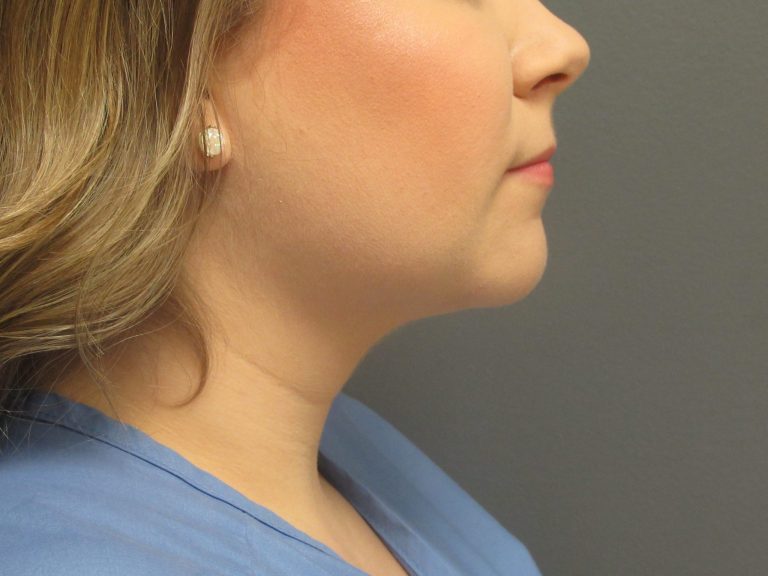
Pregnancy changes the body in ways that can feel both remarkable and frustrating. Many women expect the scale to move, the waist to soften, and the hips to widen during those months. What catches them off guard is how often some of those changes linger long after delivery, even with disciplined exercise and a careful diet. The abdomen may still hold fullness. The flanks can become stubborn. The thighs may look different in clothing, even when weight has come down significantly.
That is usually the point when body contouring enters the conversation.
For women exploring Liposuction Farmington Hills providers after pregnancy, the core question is not whether liposuction can produce a change. In the right setting, it often can. The better question is whether it is the right tool for the specific post-pregnancy concerns a patient has. Liposuction can refine contours very effectively, but it cannot solve every issue pregnancy leaves behind. Knowing where it helps, where it does not, and how timing affects results matters far more than any sales pitch.
What pregnancy tends to change, and why some areas resist diet and exercise
Post-pregnancy contour concerns are not simply about weight gain. That distinction matters. A patient may return close to her pre-pregnancy weight and still feel that her shape is different. Fat distribution often shifts during and after pregnancy because of hormones, fluid changes, and the simple stretching of tissues over time. The lower abdomen may project more than it used to. The waist can lose definition. Some women notice fullness above the bra line or along the outer thighs that was not there before.
Exercise improves strength, posture, stamina, and body composition. It also helps mood, which should never be minimized during the postpartum period. But exercise does not let someone choose exactly where fat will leave the body. That is the source of much of the frustration. A woman can be doing almost everything right and still see the same pinchable pockets in the same places month after month.
In practice, the most common post-pregnancy liposuction treatment zones tend to be the lower abdomen, flanks, hips, inner or outer thighs, and sometimes the upper arms or back. These are areas where localized fat often remains despite otherwise healthy habits.
Still, pregnancy can also create loose skin, weakened abdominal fascia, and muscle separation, also called diastasis recti. Liposuction does not repair any of those structural issues. That is why one woman gets an excellent improvement from liposuction alone, while another with a similar complaint in conversation may need a different procedure entirely.
Where liposuction fits in post-pregnancy contouring
Liposuction is best understood as a shaping procedure, not a weight-loss treatment. It removes targeted fat deposits to improve proportion and definition. In postpartum patients, that can translate into a smoother waistline, better transition from the abdomen to the hips, and less bulging in fitted clothing.
When it works well, the improvement often looks subtle in a photograph but meaningful in real life. Pants sit more comfortably. Dresses skim instead of cling. A patient stops tugging at one side of a waistband because the asymmetry has improved. Those practical outcomes are often what women care about most, more than a dramatic before-and-after reveal.
The women who tend to benefit most are usually already fairly close to a stable, maintainable weight. They are not looking to become a different size overnight. They want to address specific areas that feel out of sync with the rest of their body.
This is also where expectations need to stay grounded. Liposuction can reduce fullness and sharpen contours, but it cannot recreate the exact body someone had before pregnancy, especially after multiple pregnancies, a C-section, or major weight fluctuation. Bodies change. Surgery can improve contour, but it does not erase every chapter.
The difference between fat, loose skin, and muscle separation
This is the part many consultations hinge on. Patients often describe a “belly pooch,” but that phrase can refer to several different problems.
If the issue is mostly excess fat under the skin, Liposuction Farmington HIlls liposuction may help significantly. If the skin has stretched and lost elasticity, removing fat alone can sometimes make that looseness more noticeable. If the abdominal wall has separated, the roundness may persist even after fat removal because the structural support underneath is weak.
A useful real-world example is the patient who says, “By morning my stomach is flatter, but by evening I look four months pregnant.” That pattern can sometimes point more toward muscle laxity or core weakness than surface fat alone. Another patient may say, “My skin folds over my jeans, but when I press on it, it feels thin.” That often suggests loose skin, not just fullness.
This is why the right evaluation matters so much. A careful surgeon does not simply ask where you want to be smaller. They assess skin quality, fat thickness, scar history, muscle integrity, body proportions, and whether your goals match what liposuction can actually do.
When liposuction alone may be enough
For the right candidate, liposuction can be a very satisfying standalone procedure after pregnancy. This is more likely when a woman has good skin elasticity, limited skin excess, and persistent fat deposits in defined areas. Younger skin often rebounds more easily, though age is only one factor. Genetics, sun exposure, smoking history, and how much stretching occurred during pregnancy all influence skin behavior.
A woman who gained a moderate amount of pregnancy weight, returned near baseline, and is left with fullness at the waist and lower abdomen may do quite well with liposuction alone. The same goes for flank fullness that blurs the waist from the back or side. These are classic contouring targets.
Results also tend to look better when the patient is realistic about what “better” means. Often the win is improved shape and balance, not total flatness. If the body already has decent tone and tissue support, liposuction can enhance what is there rather than trying to compensate for missing support.
When another procedure may be the better answer
There are many postpartum cases where liposuction by itself is not the ideal solution. If there is substantial loose skin, significant lower abdominal overhang, or clear muscle separation, an abdominoplasty, commonly called a tummy tuck, may address the concern more effectively. Some women ultimately need a combined approach, where excess fat is reduced and the abdominal wall is repaired.
This can be an emotional pivot. Patients sometimes come in hoping for a smaller procedure and hear that the anatomy points toward a more involved one. That is not upselling when it is honest surgical judgment. In fact, one of the more concerning patterns in cosmetic surgery is the promise that liposuction can fix everything because it sounds easier and less intimidating. It cannot.
A C-section scar adds another layer. Some women develop a shelf or roll above the scar. Sometimes that is mostly fat and responds to liposuction. Sometimes it is a mix of scar tethering, lower abdominal skin laxity, and tissue redundancy. In those cases, liposuction may improve part of the contour but not fully smooth the area.
A thoughtful consultation should include this nuance. The goal is not just to perform a procedure. The goal is to choose the procedure that actually matches the problem.
Timing matters more than many people realize
One of the most common questions is how soon after pregnancy liposuction can be considered. The safest and most practical answer is that patience usually pays off. The body continues to change for months after delivery. Weight may continue to shift. Hormones are still settling. Breastfeeding can affect appetite, fluid balance, and breast and body volume. Sleep deprivation alone can influence weight regulation and recovery readiness.
Most surgeons prefer that patients wait until they have recovered from childbirth, finished breastfeeding, and reached a relatively stable weight for a sustained period. Exact timing varies, but many women start consultations somewhere around six months to one year postpartum, sometimes later if they are still nursing or actively losing weight.
Stability matters because surgery done too early can miss the final shape the body is naturally moving toward. If someone is still losing a significant amount of weight, contour decisions are harder to make. If another pregnancy is planned soon, many surgeons will recommend waiting, since future pregnancies can alter the results.
That does not mean women need to postpone forever until life is perfectly calm. Perfect timing rarely exists for mothers. It means surgery tends to go better when the body has settled enough that the surgeon is treating a stable target rather than a moving one.
Candidacy usually comes down to a few practical questions
A strong postpartum liposuction candidate usually checks several boxes at once:
- She is finished with pregnancy for the near future, or at least not planning another pregnancy soon.
- Her weight has been relatively stable for several months.
- She has localized fat deposits that have not responded to diet and exercise.
- Her skin still has enough elasticity to contract after fat removal.
- She understands that liposuction contours the body, rather than serving as major weight-loss treatment.
Even that list has exceptions. A woman with only fair skin elasticity can still be a good candidate if the treatment area is small and expectations are realistic. Another with excellent skin may still be a poor candidate if the main problem is abdominal wall laxity. Good candidacy is not a one-line screening tool. It is a judgment call based on anatomy, health history, and goals.
What a consultation should cover
When women look into Liposuction Farmington Hills practices, the best consultations are rarely rushed. They are detailed and specific. A surgeon should ask about pregnancies, delivery method, breastfeeding status, prior surgeries, weight changes, exercise habits, and future family plans. They should examine tissue quality and explain plainly what can be improved and what cannot.
A useful consultation also addresses asymmetry. Pregnancy does not stretch both sides of the body identically. One hip can carry more fullness than the other. One flank may roll more deeply. Absolute symmetry is not realistic, but thoughtful contouring can reduce noticeable imbalance.
This is also the time to discuss scars, recovery logistics, and daily responsibilities. For postpartum women, especially those with infants or toddlers, the aftercare plan matters almost as much as the procedure itself. If a patient has no help at home and expects to lift a 25-pound toddler two days after surgery, that is not a minor detail. It affects safety and healing.
Recovery through the lens of real life
Liposuction recovery is often described as easier than a tummy tuck recovery, and that is generally true. Easier, however, does not mean effortless. Patients should expect soreness, swelling, bruising, and fatigue. Compression garments are commonly recommended. Final definition takes time because swelling can linger for weeks and subtle refinement can continue for months.
What catches many mothers by surprise is not the pain, but the inconvenience. Recovery requires restraint. That can be hard in a household where someone always needs to be picked up, buckled in, carried, or chased.
A sensible recovery plan usually includes the following:
- Arrange help with child lifting, errands, and household tasks for the early recovery period.
- Prepare loose clothing, compression garments, and easy meals in advance.
- Plan for temporary swelling and unevenness, especially during the first few weeks.
- Avoid judging results too early, since contour evolves as tissues settle.
- Follow movement and activity instructions closely, even if you feel capable of doing more.
That last point is important. Many healthy postpartum women bounce back quickly in daily life and assume they can push through recovery the same way. Surgery does not reward that mindset. Overexertion tends to mean more swelling, more discomfort, and sometimes a less smooth recovery overall.
Results, realism, and the emotional side of body contouring
The emotional layer of postpartum body contouring deserves straightforward discussion. Women often carry conflicting feelings. They may feel grateful for what their body did and still feel disconnected from how it looks. They may be embarrassed for caring. They may worry that pursuing cosmetic treatment sounds vain.
In practice, most women seeking postpartum contouring are not chasing perfection. They are trying to feel at home in their body again. That is a reasonable goal. It is also healthier when approached from a place of self-respect rather than self-punishment.
The best results are not just visual. They are functional and psychological. A patient wears normal clothes without strategic camouflage. She stops comparing one side of her body to old photos. She feels less distracted by an area she has been trying to “fix” for two years. That relief is real.
At the same time, surgery cannot resolve every body image struggle. If expectations are loaded with the hope that a flatter abdomen will erase exhaustion, identity shifts, relationship stress, or the shock of postpartum change, the procedure is carrying too much emotional weight. A surgeon should be alert to that. Good candidates want improvement, not rescue.
Risks and trade-offs deserve honest attention
Every surgery involves trade-offs, and liposuction is no exception. Complications are uncommon in well-selected patients, but they are not imaginary. Swelling can persist longer than expected. Small contour irregularities can happen. Numbness, firmness, or temporary asymmetry may occur during healing. Some patients heal beautifully with minimal drama. Others need more time and patience than anticipated.
There is also a judgment call Liposuction Farmington HIlls around volume. More aggressive fat removal does not always produce a better aesthetic result. In postpartum bodies, especially when skin elasticity is only moderate, restraint can be the smarter choice. Over-resection may create waviness, hollows, or a look that appears surgically altered rather than naturally refined.
That is one reason surgeon selection matters so much. Good contouring is not just about removing fat. It is about knowing how much to remove, where to feather transitions, and when to stop.
How to think about liposuction if future pregnancy is possible
Many women asking about Liposuction Farmington Hills options are unsure whether they are completely done having children. This is common, and the answer is rarely absolute. A future pregnancy does not make liposuction dangerous in itself, but it can alter the result. The abdomen and flanks may stretch again. Weight gain patterns may differ with the next pregnancy. Skin that recovered adequately once may recover less well the second or third time.
For that reason, many surgeons recommend waiting until childbearing is complete, especially if the abdomen is a major concern. If the issue is a very specific area, such as outer thighs or flanks, some women still choose to proceed knowing results could change later. That becomes a personal decision about timing, priorities, and tolerance for possibly needing another procedure down the road.
Choosing a provider with postpartum contouring experience
Not all liposuction cases are the same, and postpartum bodies are their own category. Women seeking Liposuction Farmington Hills consultations should look for a surgeon who routinely evaluates post-pregnancy anatomy, not just general body contouring. There is a difference between treating isolated flank fullness in a 25-year-old with no pregnancies and contouring a lower abdomen shaped by pregnancies, breastfeeding, weight changes, and possibly a C-section.
It helps to ask how often the surgeon treats postpartum patients, how they decide between liposuction and abdominoplasty, and what they see as the limitations in your case. A trustworthy answer usually includes at least one limitation. Surgeons who never mention limits are often the least reliable judges of them.
Before-and-after photos can be useful, but only when viewed critically. Try to find examples that resemble your anatomy, not just idealized results on patients with naturally favorable skin and minimal laxity. One of the most helpful signs of experience is a surgeon who can explain why two similar-looking patients received different recommendations.
So, can liposuction help?
Yes, often it can, when the postpartum concern is primarily localized fat and the surrounding tissues can support a good contour afterward. For many women, liposuction meaningfully improves the waist, abdomen, flanks, or thighs after pregnancy. It can restore proportion, soften stubborn fullness, and make clothing fit more comfortably.
But the real answer is more precise than that. Liposuction helps the right patient with the right anatomy at the right time, with the right expectations. It is not the answer to every post-pregnancy body concern, and it works best when chosen carefully rather than hopefully.
For women considering Liposuction Farmington Hills services, that is the standard worth using. Not whether liposuction sounds appealing, but whether it truly matches the changes pregnancy left behind. When it does, the improvement can be significant and satisfying. When it does not, honesty at the consultation stage is what protects the patient and leads to a better outcome later.
Aesthetic Plastic Surgery & Laser Center, Michelle Hardaway M.D.
27920 Orchard Lake Rd
Farmington Hills, MI 48334
(248) 221-1957
FAQ About Liposuction Farmington Hills
What disqualifies you from getting liposuction in Farmington Hills?
A surgeon may recommend postponing or avoiding liposuction if a health condition, medication, or nicotine use raises the risk of surgery or poor healing. A consultation is needed to assess your medical history and whether the procedure fits your goals.
Can liposuction remove 20 pounds?
Liposuction is a body contouring procedure for localized fat. It is not a weight loss treatment, and a specific number of pounds is not a safe or useful target. The surgeon determines how much can be removed safely for each patient.
What are the risks of liposuction?
Risks include infection, changes in sensation, uneven contours, and complications from anesthesia or blood clots. A plastic surgeon can explain which risks apply to you and what to expect during recovery.